AGP Executive Report
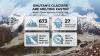
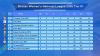
Last update: 11 hours agoBanking Hours: Banks are closed nationwide in India today (Saturday, July 25, 2026) as it’s the fourth Saturday, following RBI rules—branch visits still matter for KYC updates, cash transactions beyond limits, and some dispute work. Climate & Water Security: Bhutan has lost 27 glaciers in less than a decade, with glacier area shrinking by over 9%, raising concerns for long-term water supply and glacial lake outburst flood risks. GNH Goes Global: A Thimphu workshop explored building an international alliance to put well-being alongside GDP, linking Bhutan’s GNH approach to future UN-style development measures. Local Sports: Thimphu City Women FC stormed through Tier III of the BoB Bhutan Women’s National League, winning all nine matches to qualify for Tier I. Public Safety: Royal Bhutan Police reported a slight rise in crime in the first half of 2026, with domestic violence and other gender-based offences driving much of the increase. Health in Gelephu: Bhutan’s Gelephu Mindfulness City is moving toward its first IVF centre through a partnership with Singapore’s KK Women’s and Children’s Hospital.
Note: AI summary from news headlines; neutral sources weighted more to help reduce bias in the result. Feedback is welcome. Please let us know if you have any comments or suggestions about the AGP Executive Report.

 Perspectify News